
The cost of living in New York City is one of those topics everyone thinks they understand until they actually have to build a real budget. Yes, New York is expensive. Everyone knows that. But what often catches people off guard is not just the rent or purchase price. It is the layering effect of groceries, transportation, utilities, pet care, childcare, taxes, and all the little lifestyle premiums that quietly become part of daily life.
At the same time, New York is not just a city of high prices. It is a city of trade-offs. That is the real framework we use when helping people think through a move here. You are constantly balancing lifestyle, convenience, access, time, and opportunity. The math matters, but so does what kind of life you are trying to create.
If you are trying to figure out the real cost of living in New York City, here is a practical breakdown of what it actually costs to live here now, what surprises people most, and how to think about affordability in a way that is honest and useful.
Table of Contents
- Everyday Expenses and Groceries
- Dining Out and Food Delivery
- Utilities, Internet, and Monthly Bills
- Transportation Costs Across the City
- The Cost of Pets in New York City
- Raising a Family and Childcare Costs
- Lifestyle Premiums and Personal Spending
- Taxes and What They Do to Your Budget
- Housing: Buying, Renting, and Carrying Costs
- What the Real Cost of Living in New York City Means
- FAQ: Cost of Living in New York City
Everyday Expenses and Groceries
One of the most immediate parts of the cost of living in New York City is groceries. You feel it constantly. Even if you are not spending lavishly, everyday basics tend to cost more here because everything has to be transported into the city and sold through expensive retail space.
That said, where you shop matters a lot.
Trader Joe’s tends to be one of the more affordable options because so much of what they sell is private label. Whole Foods, on the other hand, carries more recognizable brands and usually comes in noticeably higher.
- Organic milk: about $4.49 at Trader Joe’s vs. $7.49 at Whole Foods
- Organic eggs: about $5.49 at Trader Joe’s vs. $8.79 at Whole Foods
- Chicken breast: roughly $7.49 per pound at Trader Joe’s vs. $7.99 at Whole Foods
But grocery pricing is only part of the story. In New York, how you get your groceries home can become its own budget category.
If you live a few blocks from the store, you may walk and carry your bags or use one of those classic rolling carts that are practically a New York accessory. If you live farther away or do a heavy weekly shop, hauling everything home becomes a project. Many people end up taking an Uber back, which adds transportation cost to the grocery run.
And then there is the third option, which is increasingly common: ordering online. For many New Yorkers, delivery is not laziness. It is efficiency. Time is money here, and sometimes the smartest decision is paying for convenience if it gives you time back.
Dining Out and Food Delivery
Food in New York is where the city becomes both thrilling and dangerous for your budget. You can eat cheaply here, absolutely. You can grab a $2 or $3 slice of pizza. You can also spend $500 on a tasting menu. Both are normal. Both are New York.
That range is part of what makes the city special. It is also part of why the cost of living in New York City can be hard to pin down with a single number. Your habits matter.
A healthy casual lunch for three at a place like Impact Kitchen came to $60.64, and one sandwich alone was $22. If all three people had ordered sandwiches, the total would have landed closer to $100 for lunch.
That is not a luxury meal. That is a fairly standard healthy quick-service lunch in a prime Manhattan neighborhood.
Of course, you can spend less. But it is important to understand what “normal” can look like in this city. If you like eating out, grabbing coffee, ordering delivery, or meeting friends out often, that part of the cost of living in New York City adds up fast.
Utilities, Internet, and Monthly Bills
Utilities in New York can be a little confusing because many buildings bundle certain costs into rent or monthly building charges.
In many apartments:
- Water is included
- Gas is often included
- Steam heat in older buildings is typically included
That means your main standalone utility bill is often electricity through Con Edison, usually called Con Ed. For most apartments, the monthly electric bill tends to fall somewhere between $150 and $300, depending on:
- Apartment size
- Season
- How much you run the air conditioning or forced-air heat
Internet and cable are also building-dependent. The two major providers mentioned are Spectrum and Verizon Fios. Verizon Fios generally offers faster internet, but not every building has access to it.
Typical internet costs:
- $50 to $90 per month for standard service
- Just over $100 per month for top-speed internet
If you bundle internet with cable, monthly bills can rise quickly. A standard bundle with cable and some add-ons may land around $200 to $250 a month. Heavy cable users can go much higher.
Transportation Costs Across the City
Transportation is one of the categories where the cost of living in New York City can actually work in your favor, especially if you are coming from a place where owning a car is mandatory.
The subway remains one of the best values in the city.
- Single subway ride: $2.90
- Unlimited monthly pass: $132
That monthly pass also works on buses, which matters more than people realize, especially for crosstown trips.
Then there is Citi Bike, which has changed the way people move around Manhattan and Brooklyn.
- Annual Citi Bike membership: $219
Ride shares are a different story. An Uber or Lyft can be $15 one day and $50 the next depending on traffic, weather, and surge pricing. Rain, snow, and peak hours can make a quick trip feel absurdly expensive.
Yellow cabs are often more affordable, but they require patience and strategy. The meter starts at about $3, then charges $0.70 for every one-fifth of a mile, plus time-based charges in traffic. If you are willing to walk to a better avenue and hail one down, taxis can still be a smart option.
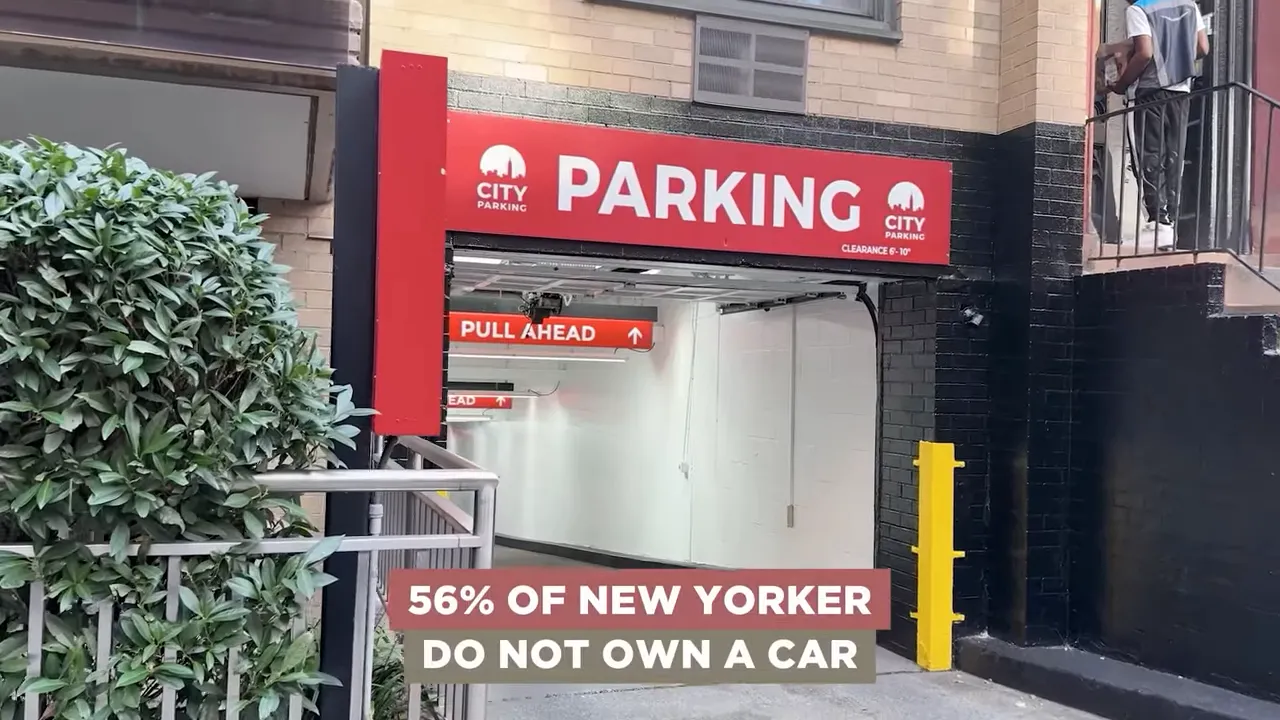
Owning a car is where New York gets punishing.
- Garage parking: typically $500 to $1,000+ per month
Prime neighborhoods such as Tribeca or areas near Central Park can push parking costs even higher. That is a major reason so many New Yorkers skip car ownership entirely.
The Cost of Pets in New York City
Pets are beloved here, but they are not cheap. The cost of living in New York City rises fast once you add dog walking, grooming, boarding, and veterinary care.
Typical pet expenses include:
- Dog walks: $25 to $35 per walk
- Doggy daycare: around $50 per day or about $1,000 per month for a regular weekday package
- Grooming: $70 to $200, or around $250 for in-home grooming
- Boarding: $65 to $120 per night
- In-home pet sitting: $120 to $150 per night
Vet care is another major line item. Annual checkups can easily run $350, and once tests or additional issues come into play, bills can approach $1,000 very quickly. The good news is that New York has excellent veterinary care. The less good news is that you absolutely pay for it.
If pets are part of your life, pet insurance is worth considering.
Raising a Family and Childcare Costs
There is a persistent myth that raising a family in New York City is impossible. It is not. But it is a city of trade-offs, and families feel those trade-offs sharply.
Childcare is one of the biggest drivers of the cost of living in New York City for parents.
- Full-time daycare: $2,000 to $4,000 per month
- Babysitting: $22 to $30 per hour per child
- Full-time experienced nanny: $35 to $45 per hour
- Specialized newborn or advanced care: $40 to $60 per hour
Schooling brings another layer of decisions. New York has outstanding public and private schools, but where you live matters, especially for public school zones. If public school is part of your plan, your address can shape your housing search.
Private schools offer more flexibility in where you live, but they come with serious cost.
- Private school tuition: around $60,000 per year
And then there are the “extra” expenses that never really feel extra once you are living them:
- After-school programs
- Tutoring
- Birthday parties
- Weekend activities
- Transportation to and from school
Private school transportation can cost $2,000 to $7,000 per year, while after-school car services may run $20 to $25 per hour.
Healthcare is another family consideration. New York has some of the best medical care anywhere, but many doctors do not take insurance directly, which means out-of-pocket payments and reimbursement strategy become part of your planning.
Still, families get something remarkable in return. Museums, parks, the zoo, Broadway, and an endless supply of cultural experiences become part of everyday life. You may not have a backyard, but you have the city.
Lifestyle Premiums and Personal Spending
This is where New York can become as streamlined or as extravagant as you want. That flexibility is part of the magic. It is also the trap.
Wellness and beauty services often start higher here than people expect.
- Facials and massages: generally $200 to $400, sometimes $500+
- Equinox membership: around $250 to $335+ depending on access level and location
- Boutique fitness classes: about $20 to $50 per class
Social clubs are another New York category that can meaningfully affect the cost of living in New York City.
- Annual dues: roughly $3,000 to $5,000
- Initiation fees: can range from $15,000 to $30,000 and up
For many people, those clubs are less about status and more about community. But they are still a substantial line item.
Entertainment also ranges widely:
- Broadway tickets: usually $100+
- Lottery tickets: around $30 to $40
- Museum entry: typically $20 to $35
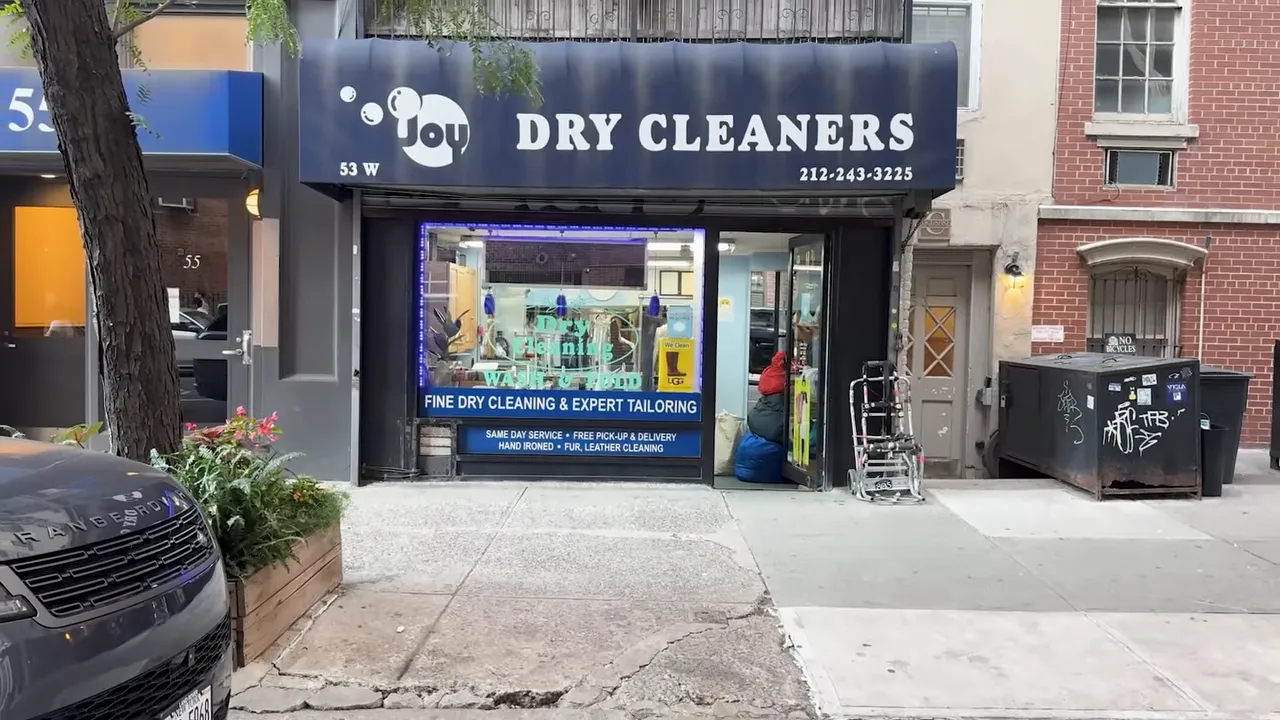
Then there is the category nobody romanticizes but everybody pays for: laundry and dry cleaning.
- Wash and fold: about $1.50 to $5 per pound
- Dry cleaning a shirt: roughly $8 to $20
- Outerwear dry cleaning: roughly $15 to $40
Hair is highly variable, and New York really does run the full spectrum. A haircut can be $40 or $700. Highlights can range from $350 to $600. This is one of those categories where personal preference and neighborhood matter enormously.
Taxes and What They Do to Your Budget
If you want a realistic picture of the cost of living in New York City, you have to include taxes. State and city taxes take a meaningful bite.
The estimate given here is about 14.8% of annual take-home income going toward New York City and New York State taxes.
On top of that, the sales tax on goods and services is 8.875%.
That is real money. But there is also an important counterpoint. New York often compresses career growth. What may take ten years somewhere else can happen in three here. For many ambitious people, the higher tax burden is part of a larger opportunity equation. That does not make it painless, but it does make it easier to justify for the right person.
Housing: Buying, Renting, and Carrying Costs
Housing is usually the biggest part of the cost of living in New York City, and it is also the category people misunderstand most.
One reason is that broad median prices can be misleading. Manhattan’s median sale price is given as about $1.25 million, but that number does not help much if you are specifically looking for a two-bedroom or three-bedroom. In practice, that median often aligns more closely with a one-bedroom market.
A more useful framework is by bedroom count and quality tier:
- Lower price point: about $1 million to $1.5 million per bedroom
- Mid-range: about $1.5 million to $2 million per bedroom
- Luxury: about $2 million to $2.5 million+ per bedroom
That is not a rigid rule, but it is a much more practical budgeting tool.
Condos vs. Co-ops
Type of ownership affects both purchase price and lifestyle.
Condos are more like fee-simple ownership and often resemble buying a single-family home in structure. They tend to be newer or newly converted buildings with more amenities, which means higher prices per square foot and often higher monthly carrying costs.

Co-ops are corporations where you buy shares rather than direct real property in the same way. They often have stricter rules, board interviews, and more financial requirements. That complexity tends to reduce the entry price, making co-ops more affordable upfront than condos in many cases.
Location matters tremendously. Two million dollars in the West Village buys something very different than two million dollars in the East Village or on the Upper East Side farther from the park. In New York, location is not just a cliché. It is the whole game.
Closing Costs
When buying, expect closing costs of about 1% to 5% of the purchase price.
That range depends on several things:
- Mansion tax: starts at 1% for purchases at $1 million and rises up to 3.9% at much higher price points
- Mortgage recording tax: 1.925% of the mortgage amount
- New development costs: buyers may also absorb sponsor transfer taxes and other seller-type costs
Monthly Carrying Costs
Once you own, monthly costs continue in the form of real estate taxes and common charges or maintenance. A useful way to estimate them is by square foot.
- Typical carrying cost: about $2 to $4 per square foot monthly
At the lower end, you may find efficient co-ops or less amenity-heavy buildings. At the higher end, expect condos with more amenities or older buildings with higher monthly charges.
What Renting Looks Like
In prime areas, starting rents were framed roughly like this:
- One-bedroom: around $5,000 and up
- Two-bedroom: around $7,000 to $8,000 and up
- Three-bedroom: around $10,000 to $12,000 and up
That is for highly desirable neighborhoods and depends heavily on finishes, building amenities, and exact location.
What the Real Cost of Living in New York City Means
The real cost of living in New York City is not just financial. It is emotional. It is energetic. It is what it takes to keep up, compete, commute, choose, and adapt in a place where there is always more to do, more to spend on, and more to chase.
But that is also why people come here.
New York is the kind of place that can draw more out of you than you knew was there. It can push you hard, but it can also accelerate growth in a way very few places can. If you want predictability, this may not be your city. If you want access, momentum, ambition, and possibility, it just might be.
That is why affordability in New York is never only about whether you can cover the bills. It is about whether the opportunities, experiences, community, and pace of life are worth the premium for you.
Because in the end, the biggest question is not simply what the cost of living in New York City is. The bigger question is what kind of life you are buying with it.
FAQ: Cost of Living in New York City
What is the average cost of living in New York City for a single person?
There is no single average that fits everyone because the cost of living in New York City depends heavily on neighborhood, housing choice, transportation habits, and lifestyle. A single person can live far more affordably by using the subway, cooking at home, and choosing a smaller apartment, or spend dramatically more by renting in a prime neighborhood and dining out often.
How much should we budget for groceries in New York City?
Groceries in New York are expensive, and store choice matters. Trader Joe’s tends to be more affordable than Whole Foods. On top of food prices, it is smart to budget for the logistics of grocery shopping too, whether that means delivery fees, a car service home, or the time cost of doing it yourself.
Is it cheaper to use the subway or keep a car in New York City?
For most people, the subway is dramatically cheaper. A monthly unlimited pass is $132, while parking garages alone can cost $500 to $1,000 or more per month, not including insurance, gas, tolls, or maintenance.
How expensive is childcare in New York City?
Childcare is one of the biggest family expenses. Full-time daycare generally ranges from $2,000 to $4,000 per month. Babysitting often runs $22 to $30 per hour per child, and full-time nanny care can range from $35 to $45 per hour or more.
What are typical rent prices in prime Manhattan neighborhoods?
In prime areas, one-bedrooms often start around $5,000 per month, two-bedrooms around $7,000 to $8,000, and three-bedrooms around $10,000 to $12,000 and up. Exact pricing depends on building amenities, finishes, and specific location.
Are taxes really that high in New York City?
Yes. New York City and New York State taxes can take a meaningful share of income, with the estimate here at roughly 14.8% annually. On top of that, the city sales tax is 8.875%.
Is living in New York City worth the cost?
That depends on what you value. The cost of living in New York City is high, but for many people the trade-off is worth it because of career growth, cultural access, convenience, and the sheer energy of the city. New York is expensive, but it can also be transformational.